
Our Model
A Management System That Creates Consistency Before Escalation:
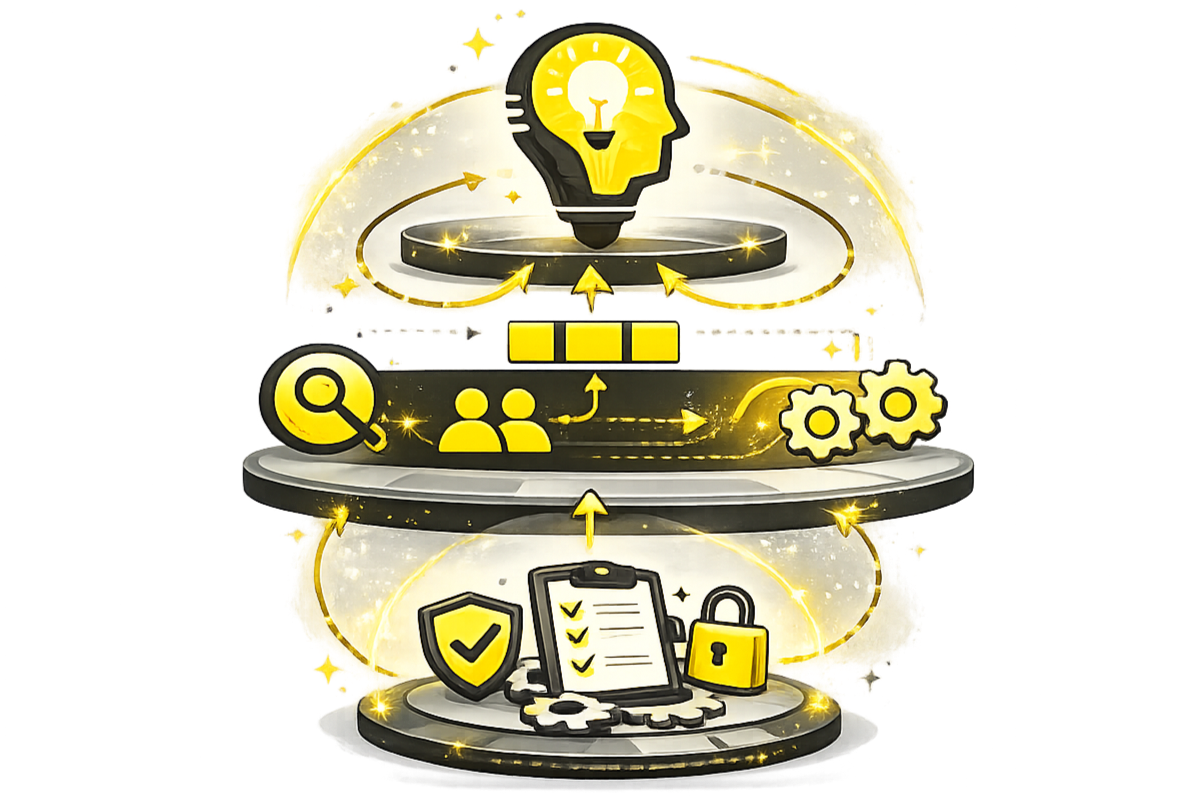
Three integrated layers that align day-to-day decisions, workflow design and HR governance, so managers operate consistently under pressure.
The Structural Gap
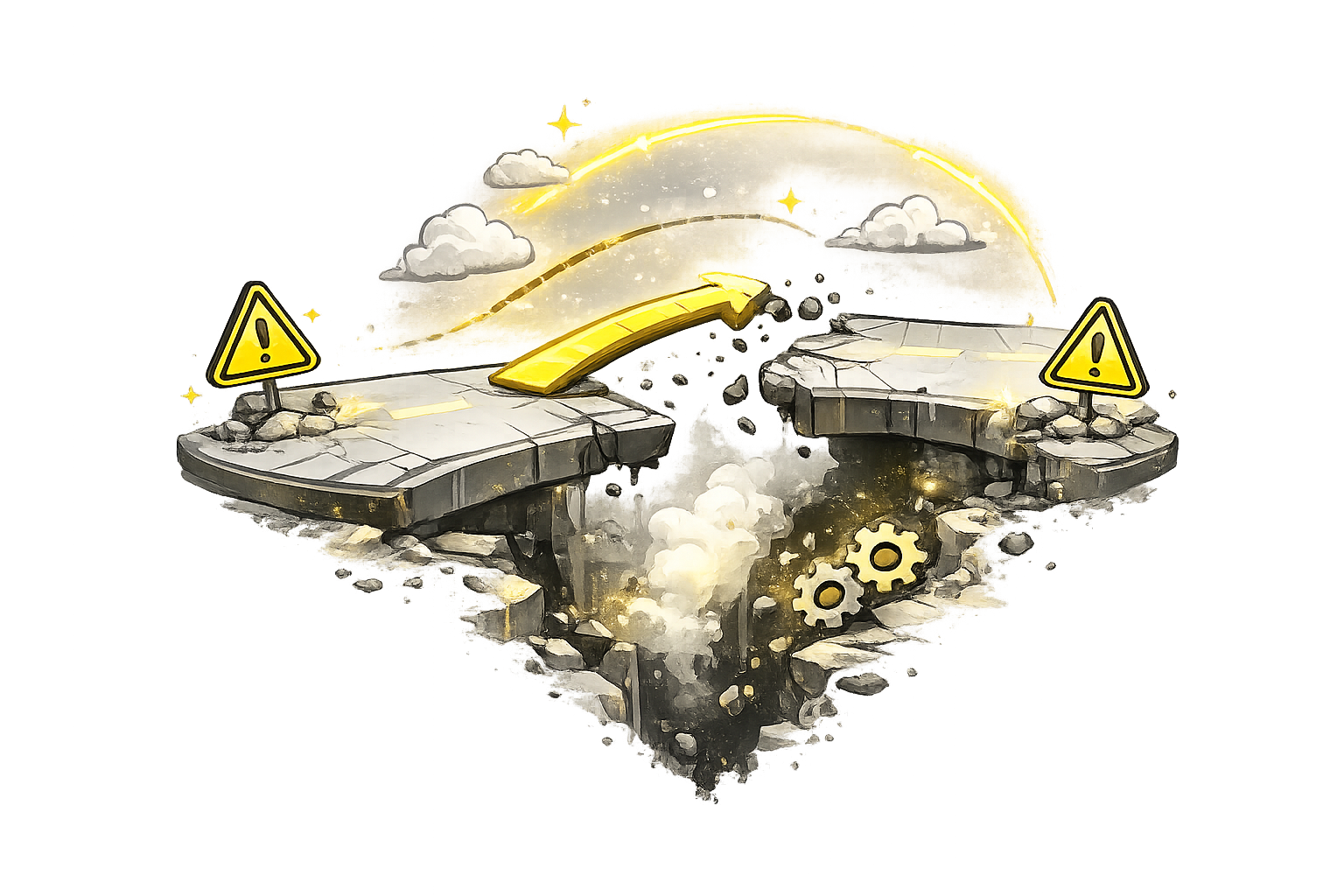
Most organisations manage people-risk reactively.
A manager encounters friction. A conversation happens. Documentation is added after the fact.
But the underlying management system remains unchanged.
Workflow stalls recur. Managers respond differently to similar situations. HR inherits cases that have already hardened. Governance becomes reactive rather than preventative.
Human-ifesto closes this gap by redesigning how decisions are made, how work flows, and how oversight operates—not just how individual cases are handled.
The Three-Layer Operating Model
Each layer addresses a different failure point. Together, they create consistency across decision-making, workflow and governance.
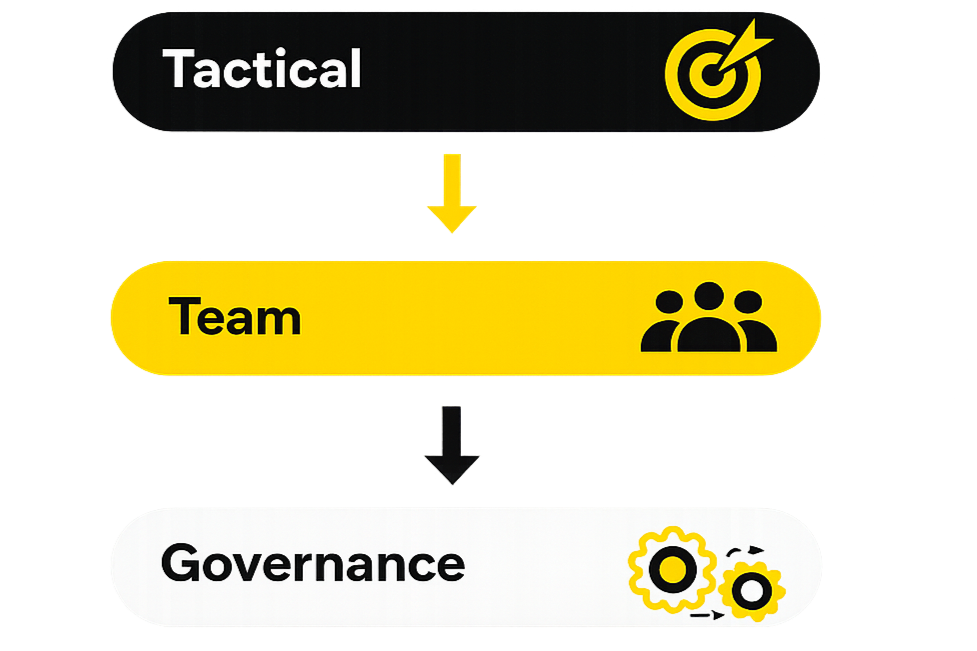
Layer 1 — Tactical: Day-to-Day Management
Where inconsistency starts.
When expectations are unclear and conversations happen too late, managers improvise. Similar situations get handled differently. Small issues escalate.
This layer creates:
Clearer expectations from the outset
Earlier, more consistent performance conversations
Structured decision-making under pressure
Reduced reliance on individual manager judgement
Outcome: Managers intervene earlier. Fewer issues reach formal processes.

Layer 2 — Strategic: Workflow Design
Where friction compounds.
Ambiguous processes, unclear handoffs and inconsistent team practices create drag. Work stalls. Rework increases. Pressure builds unevenly.
This layer creates:
Reduced ambiguity in how work is assigned and tracked
Clearer accountability across teams
Consistent practices that hold under pressure
Less friction before it becomes a management problem
Outcome: Work flows more predictably. Managers spend less time firefighting.
Layer 3 — Governance: HR Integration
Where risk crystallises.
When documentation is inconsistent and decisions vary by manager, HR inherits cases that are harder to resolve and harder to defend.
This layer creates:
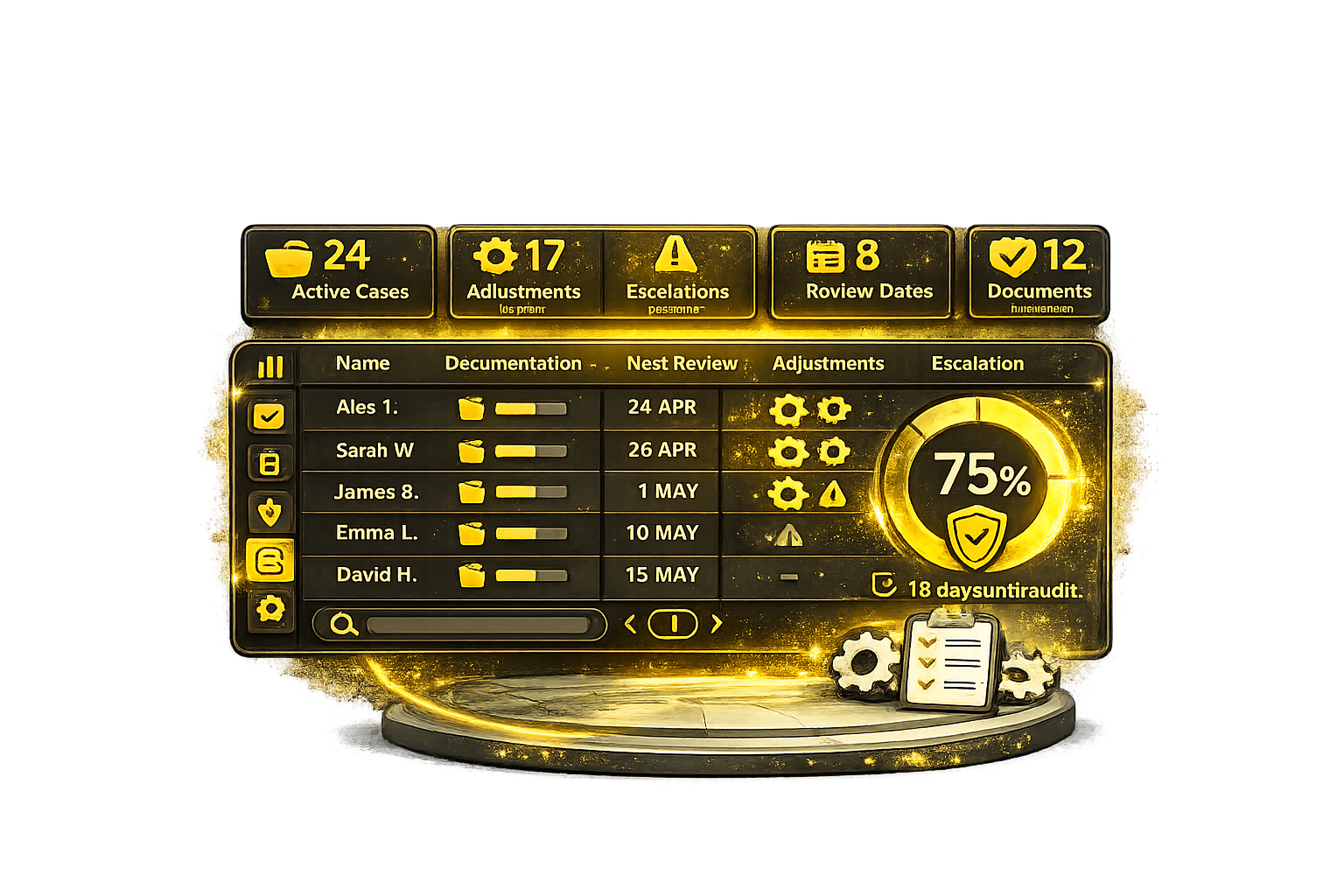
Real-time visibility into management patterns
Consistent, defensible decision-making processes
Structured adjustment and support pathways
Stronger documentation before escalation
Outcome: HR intervenes earlier with better information. Legal and tribunal exposure reduces.
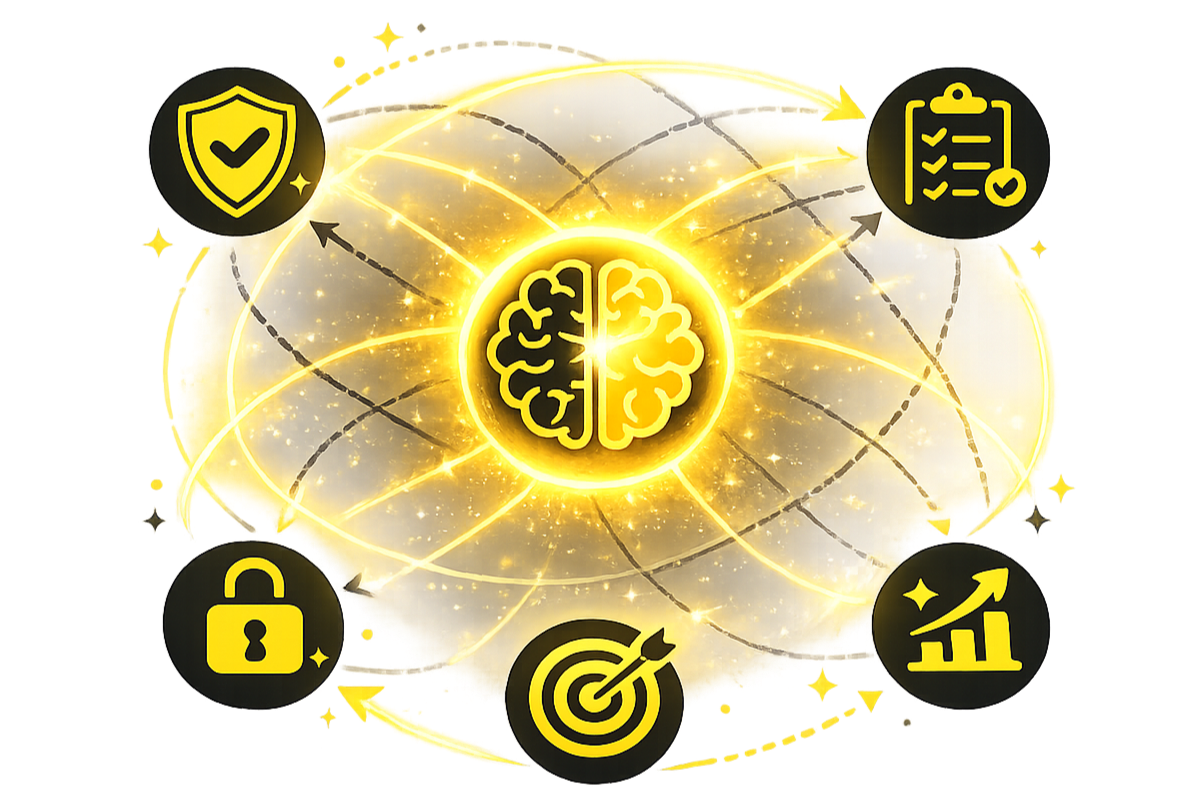
From Reactive Interventions to a Repeatable System
The Human-ifesto model replaces case-by-case management with a structured operating system.
Rather than responding to problems after they escalate, your organisation gains:
Consistency — Managers follow the same decision-making framework
Visibility — HR sees patterns before they become cases
Defensibility — Documentation exists before it's needed
Reduced escalation — Issues are addressed at the tactical level, not inherited by ER or legal
This isn't training. It's infrastructure.
Why Neurodivergent Employees Matter Here

Neurodivergent employees often surface these gaps first—but the problem is structural.
Inconsistency, ambiguity and poor workflow design affect everyone. Neurodivergent employees experience the impact sooner and harder, which is why they often become the presenting issue.
Organisations that treat this as a neurodiversity problem apply sticking plasters. Those that treat it as a management system problem reduce risk across the board.
Human-ifesto addresses the root cause.